
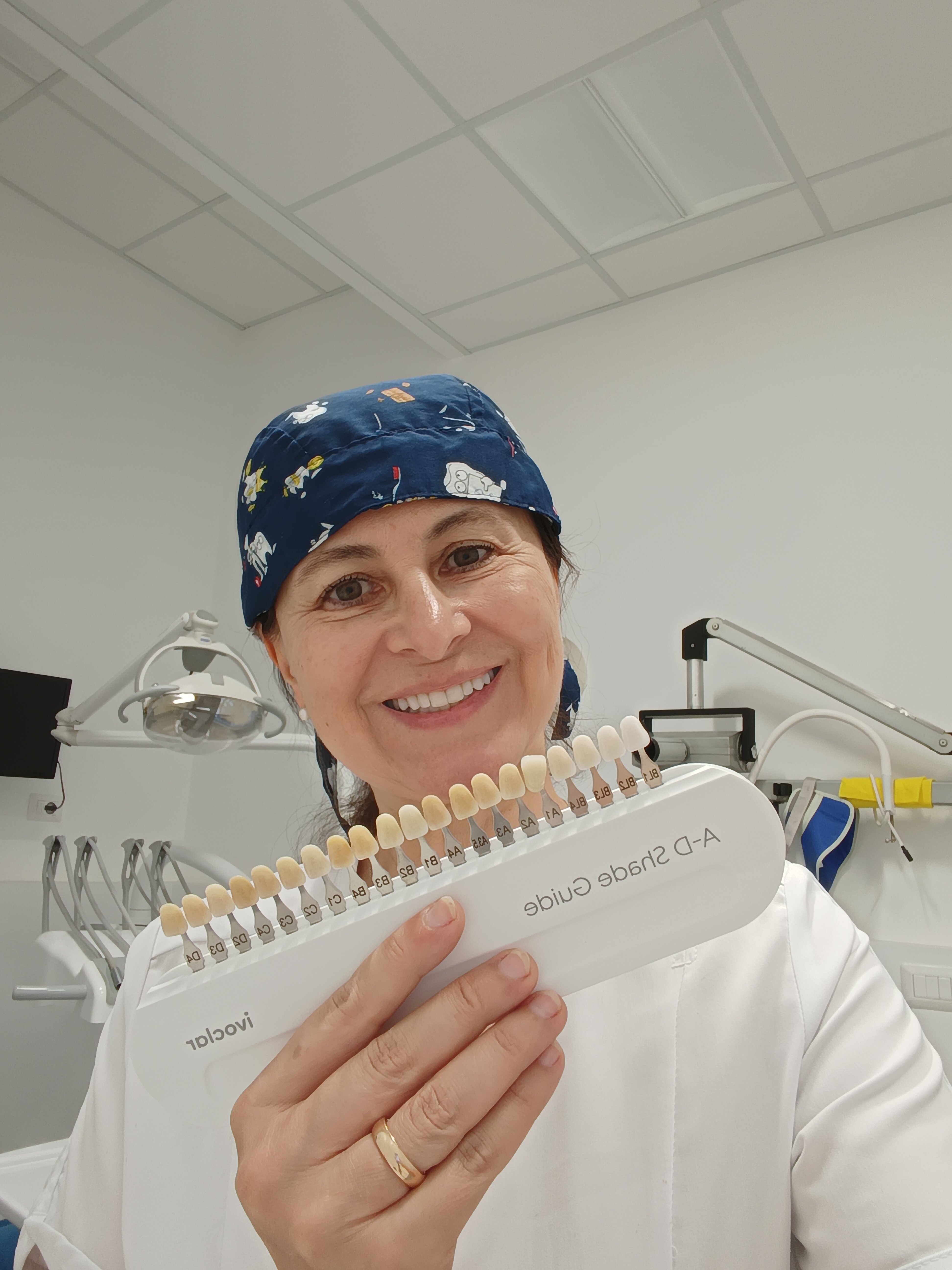
Article written and reviewed by Dr. Roseli Dall'Armellina, Registered with the Register of Dentists of Rome.
If you missed the introduction, read Part 1 first of the teeth whitening guide.
Welcome to the second part of my guide. After seeing how the treatment works, I now answer the more practical questions about pain, duration and maintenance.
6. Does teeth whitening hurt or cause sensitivity?
The treatment is not painful, but it may cause temporary sensitivity to hot and cold.
Before starting, it is essential that I carry out a thorough check-up to make a correct diagnosis. Not everyone is an ideal candidate. The treatment is contraindicated or requires preventive care in cases of:
Cavities or pre-existing sensitivity: they must be treated before whitening.
Cracks or exposed necks: the presence of fissures or dentin exposure stops the treatment.
Unrealistic expectations: the patient must want shade results that are truly achievable with this technique.
7. Does whitening damage or weaken teeth?
No, this is a very common myth.
Teeth whitening does not weaken the tooth and does not cause any significant loss of its structure. The only possible reaction is a temporary increase in sensitivity, especially on already restored teeth. Numerous scientific studies show that the treatment is 100% effective and safe, provided it is performed with correct protocols and high-quality professional materials.
8. What types of whitening exist? Can the patient choose the treatment?
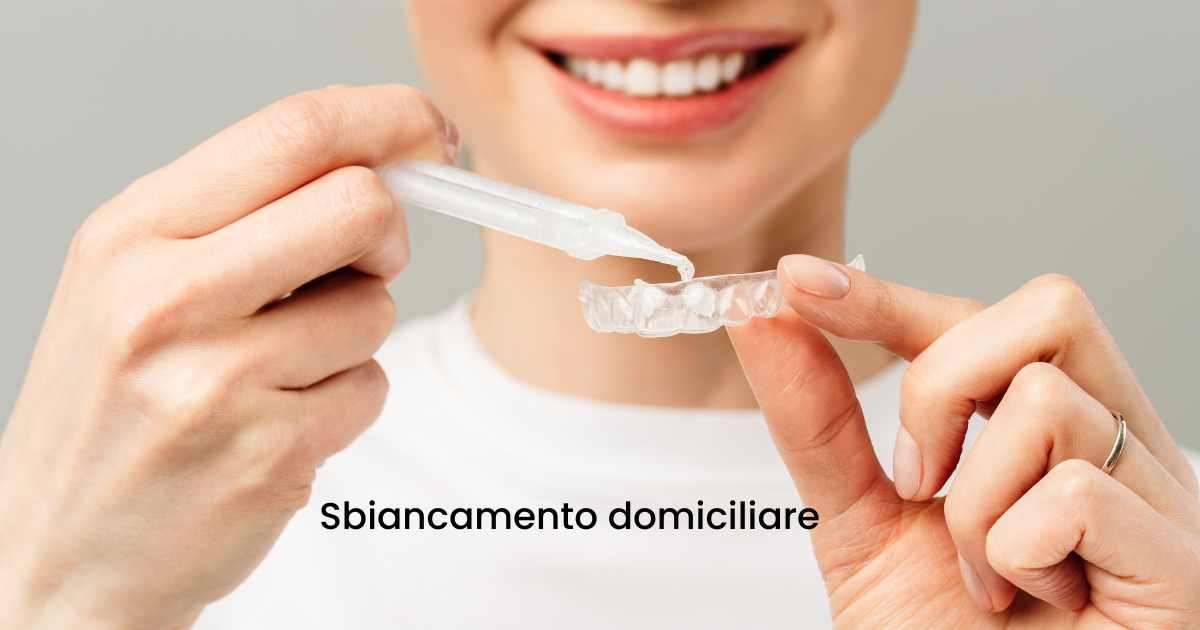
There are two main techniques: in-office whitening (with high-concentration gel) and at-home whitening (with custom-made trays).
The patient cannot independently choose the type of whitening. The one who decides the most suitable technique and protocol is only me.
Every mouth is unique: only after a thorough visit can I assess the clinical condition of your teeth and gums, indicating the only safe and effective solution for your smile.
9. How long does the effect of teeth whitening last?
In general, results can last from 2 to 3 years. The actual duration varies depending on the technique used, individual characteristics, and the patient’s daily habits.
After this period, a slight relapse in color may occur (a mild darkening), but the teeth will never go completely back to their original dark color.
Maintenance or reapplication of whitening has no fixed deadline: it is assessed and recommended only when needed, based on the patient’s specific clinical needs and lifestyle.
10. Do fillings need to be changed after whitening? How long should you wait?
Composite resin fillings do not change color, because the whitening gel acts only on natural tooth tissues. As a result, after treatment, old fillings may look darker than newly whitened teeth, creating an aesthetic mismatch.
The ideal is to wait 7 to 15 days after the end of whitening to replace the fillings.
This time is essential for two reasons:
It allows the tooth color to stabilize definitively.
It prevents residual oxygen from whitening from interfering with the bonding of the new resin.
11. What not to do on the same day you get whitening done?"
To ensure the longest-lasting white and avoid sensitivity, it is important to follow these recommendations:
Avoid pigmented foods and drinks for the first 3–4 hours: after each session, avoid coffee, red wine, grape juice, soy sauce, or beetroot. This interval allows the teeth to rehydrate, making them less susceptible to pigments. There’s no need to eliminate them for days—just respect this short time window.
Do not smoke in the first hours: smoking increases the risk of immediate extrinsic stains and reduces color stability.
No acidic foods or drinks: avoid citrus, vinegar, or fizzy drinks right after treatment so you don’t worsen tooth sensitivity.
Strict oral hygiene: keeping good brushing and daily flossing is essential to prevent external stains and prolong the whitening result.
🦷 Information Transparency and Guidelines
This content is for informational purposes only. The article was written and reviewed by Dr. Roseli Dall'Armellina, Dentist in Rome (San Giovanni area). Information on minors’ oral health follows the official guidelines for pediatric dentistry.
Do you have doubts about your child’s baby teeth health? Contact me directly to book a no-obligation first visit in Rome.